24.06.2026
Decoding the future: the key to career guidance
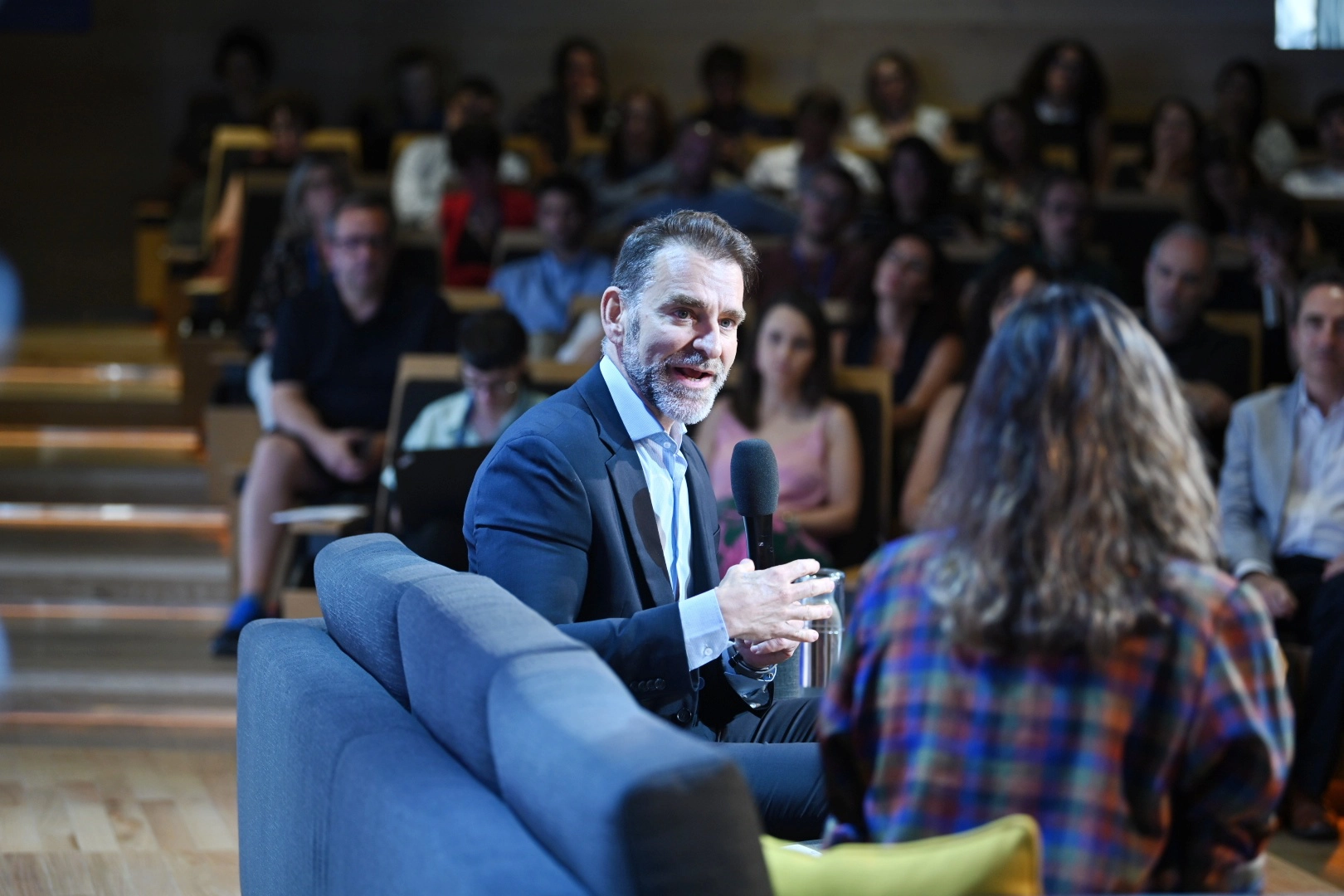
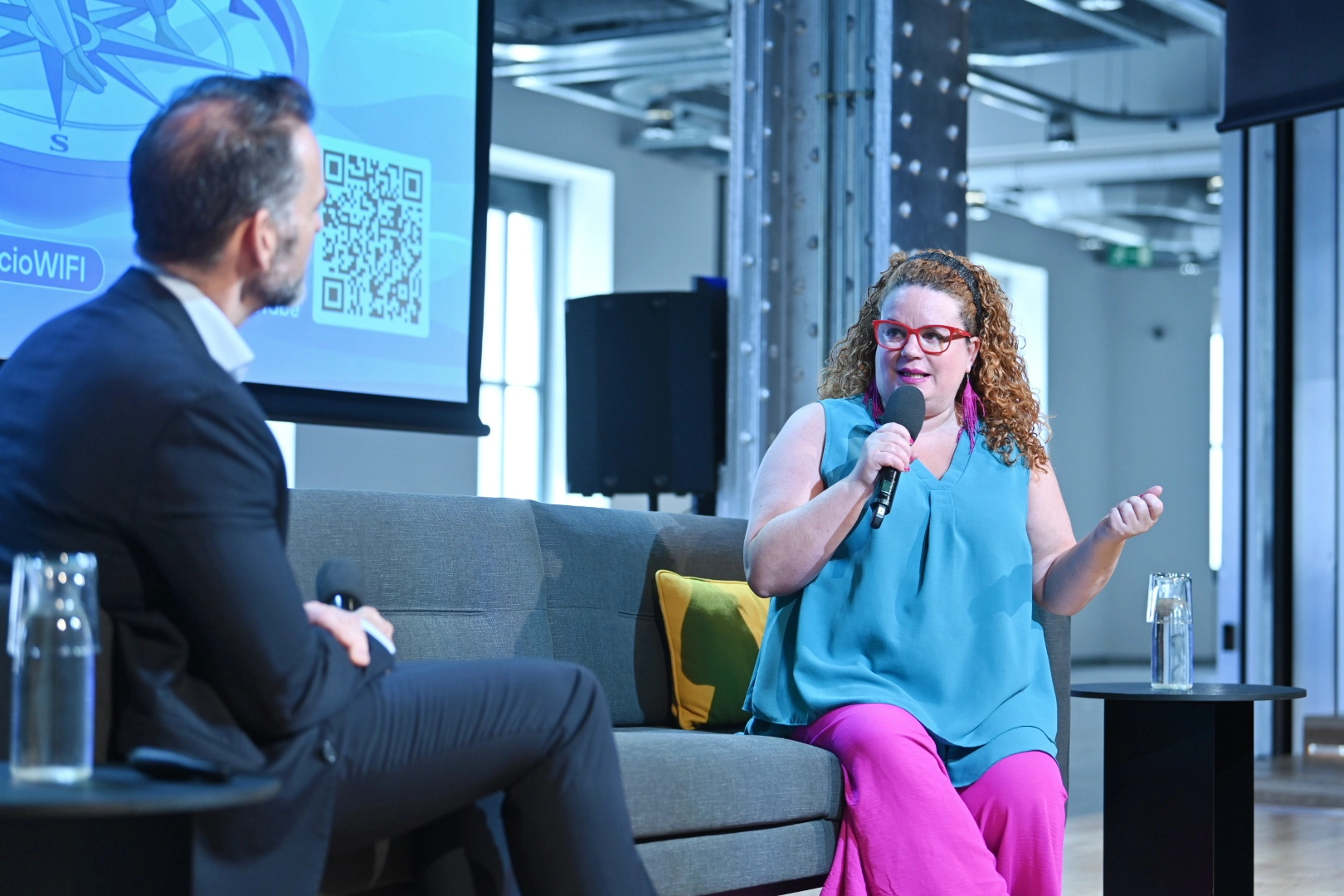
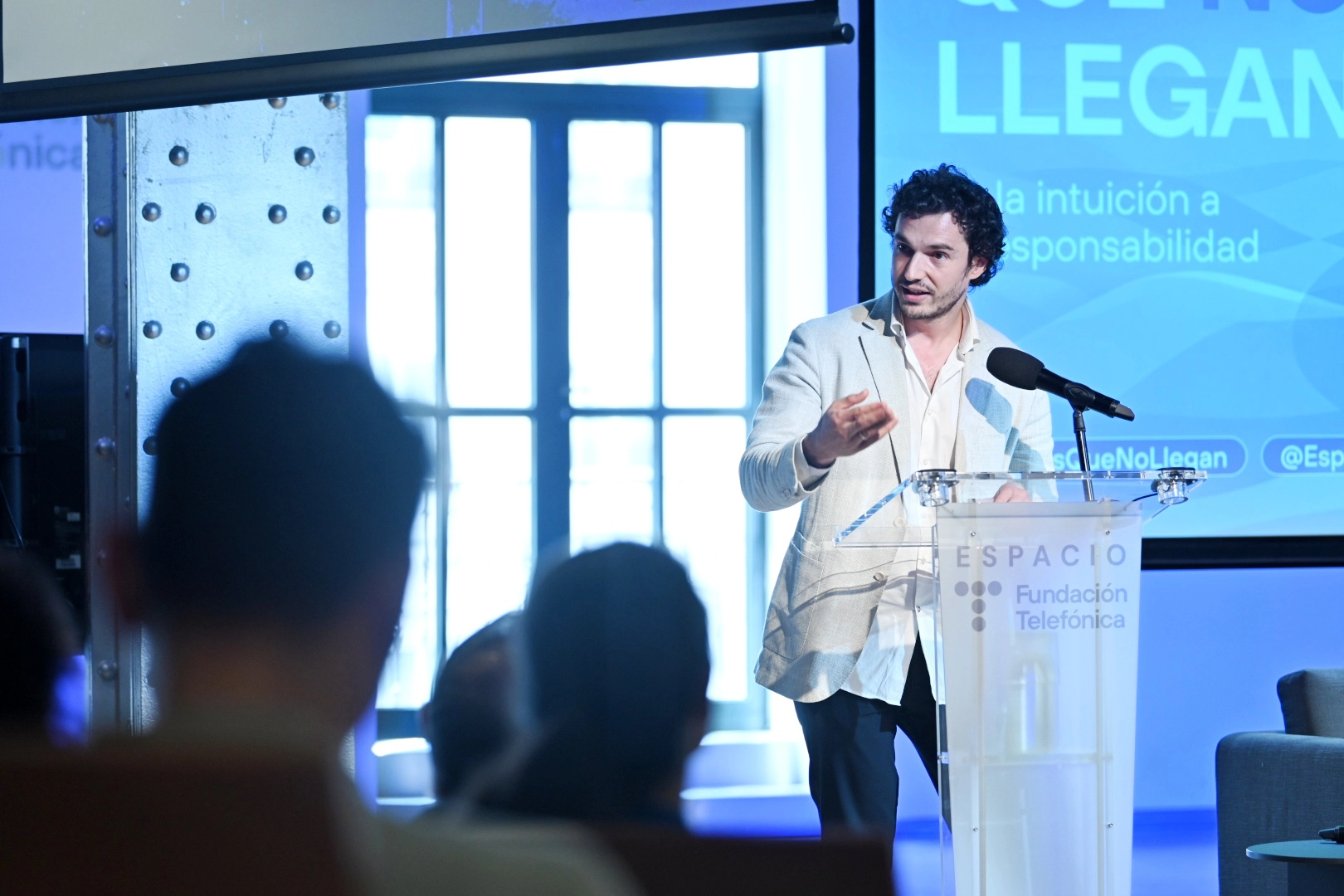
Un momento durante el encuentro 'Futuros que no llegan. De la intuición a la responsabilidad'
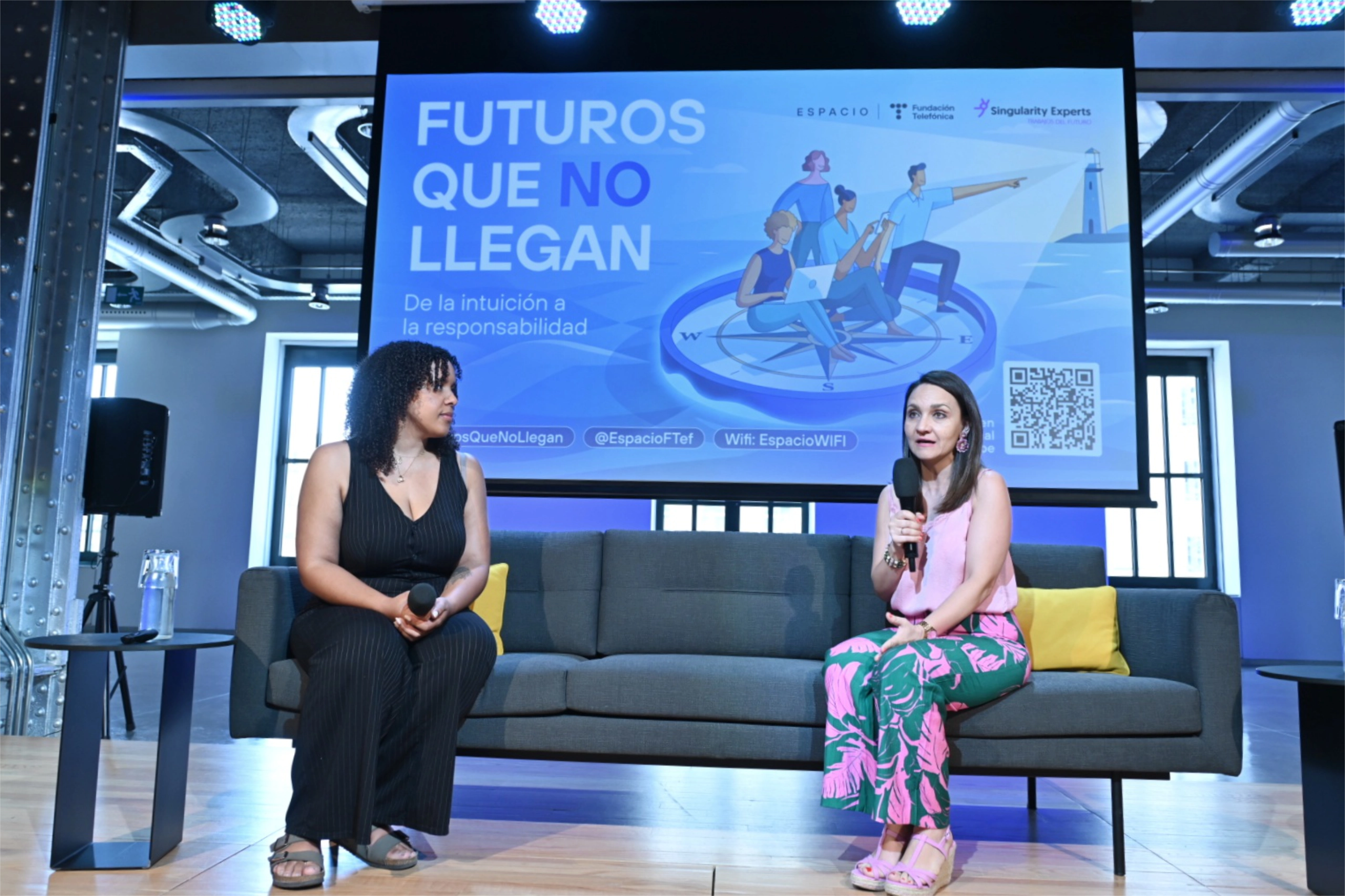
Ensuring that those pursuing a career find the guidance they need to chart the most suitable path for themselves in a changing labour market is not an impossible task. Although there may be a wide gap between the guidance provided in the educational and employment sectors and the actual vacancies on offer, this does not mean it is insurmountable or irreconcilable. This is one of the key messages from the event ‘Futuros que no llegan’ (Futures That Never Arrive), which took place at Espacio Fundación Telefónica.
For a long time, decisions regarding training and professional development have been based, to a large extent, on intuition.
But we are living in an era where the speed of technological transformation, the emergence of AI and the constant emergence of new professions are forcing us to incorporate more information, more evidence and a greater capacity for anticipation.
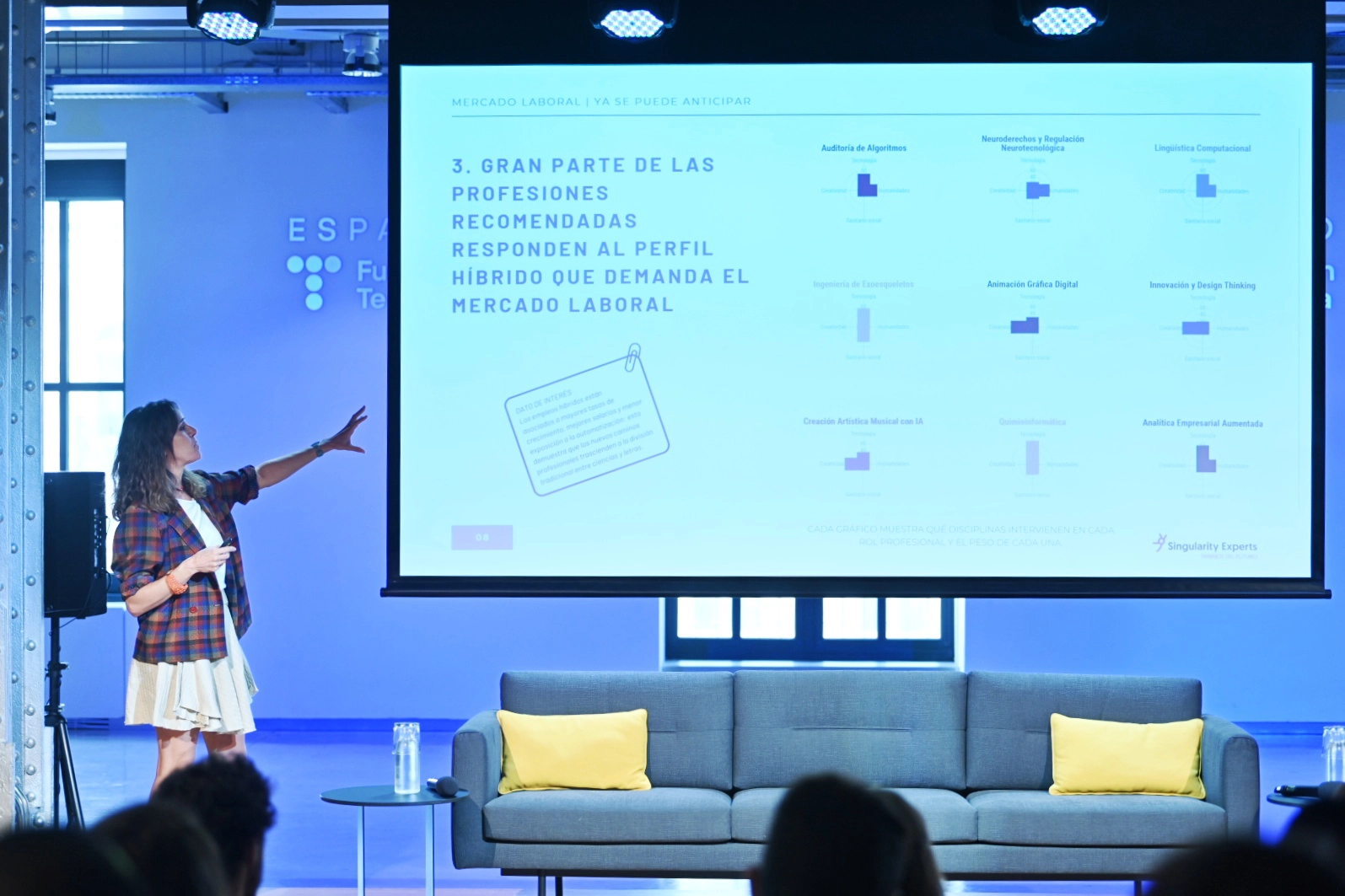
The data collected in the Singularity Experts Barometer and presented during the event reveal a complex reality:
- Demand is growing for roles linked to artificial intelligence, cybersecurity and data centres.
- Hybrid roles, capable of combining specialist knowledge with digital skills, are becoming established.
- At the same time, new challenges are emerging relating to access to employment, continuous professional development, young talent and the gender gap in technology professions.
Faced with this scenario, the best way to tackle uncertainty is to gain a better understanding of the signs that are already shaping it.
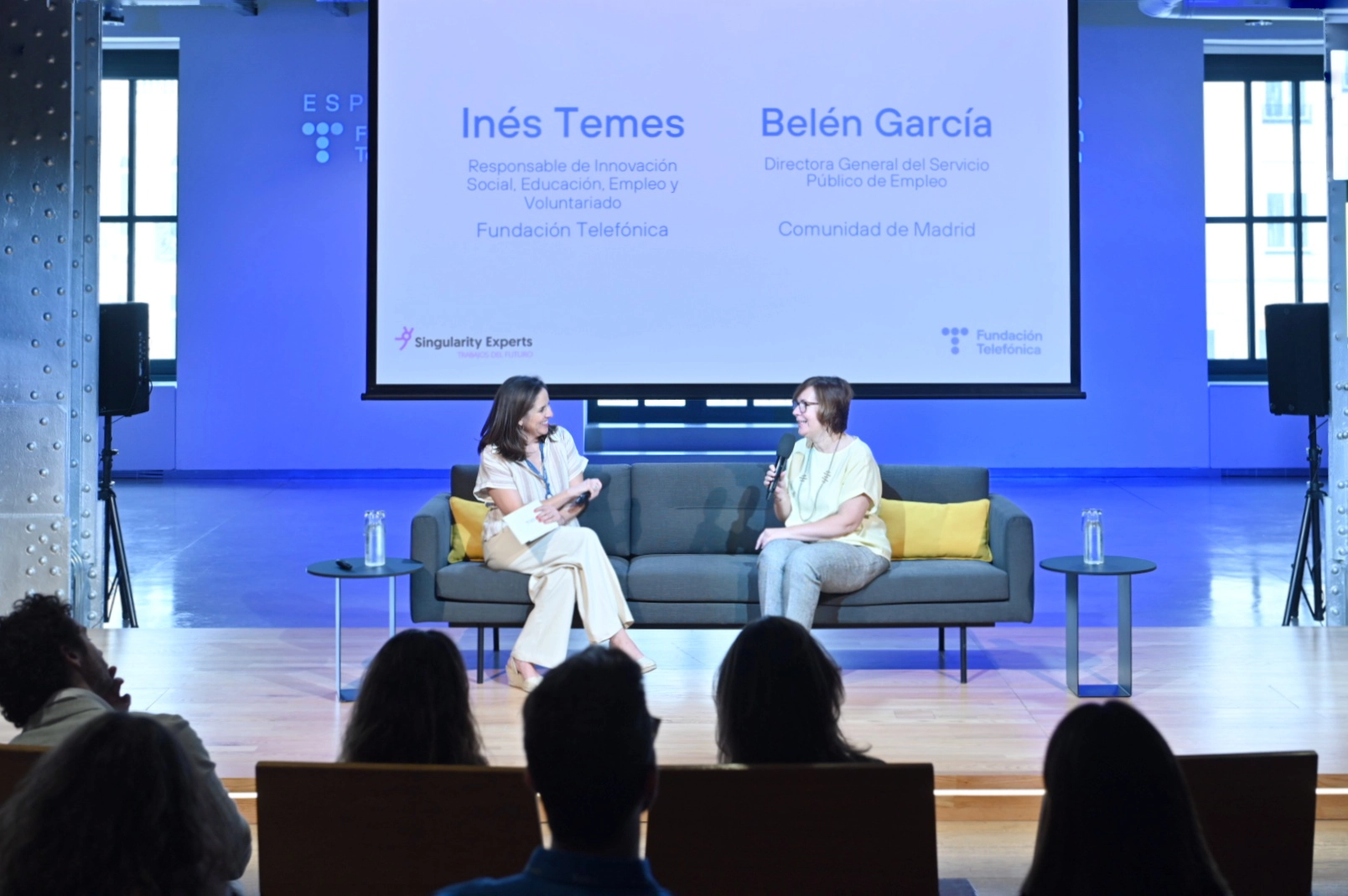
It is against this backdrop that a meeting was organised between public administrations, social organisations, businesses and careers advisers, in which, through a conversational format, evidence was presented on the need for careers guidance as a valuable tool in an ever-changing labour market.
In fact, the Director-General of the Public Employment Service of the Community of Madrid emphasised that “early career guidance is key to enabling people to access personalised training to prepare for the professional world”.
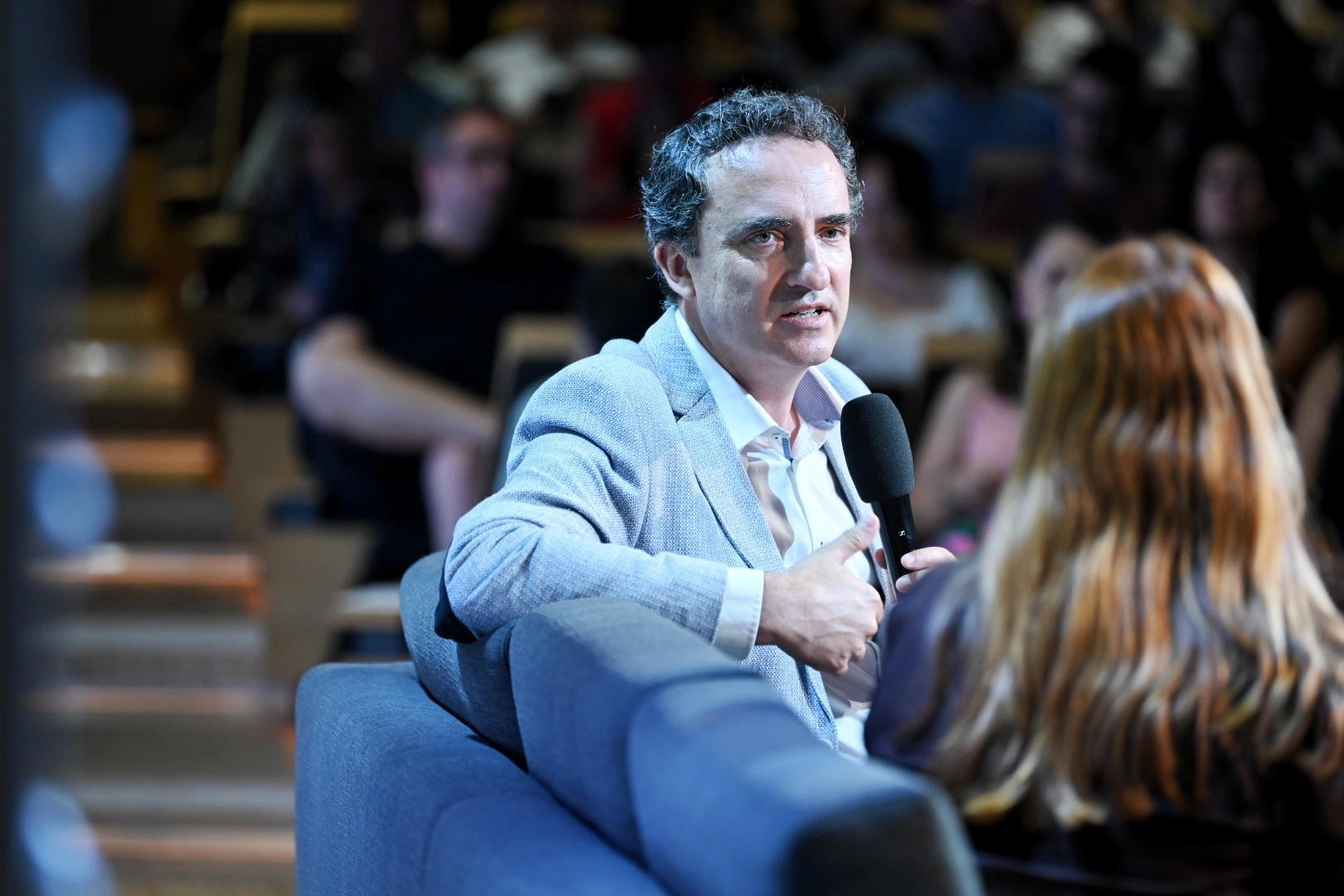
Among the guests at this event, Juan Carlos Tejeda, Director of Training at the CEOE, focused on the role of career guidance experts, noting that “perhaps we are not asking the right questions. Perhaps instead of asking young people what they want to be, we should be asking them what they can do”. In his view, it is essential to “reduce the response time between the moment of guidance in the classroom and the moment of guidance in the professional world”.
For his part, Juan José Juárez, head of the careers guidance project at the Bertelsmann Foundation, emphasised the need to “build a careers guidance system with a high level of ambition in terms of response time”. He added that “organisations should approach this from a single perspective: education and employment, not as separate spheres, but as areas that converge to provide appropriate solutions”.
“We need to reduce the time between the initial orientation in the classroom and the guidance provided in the professional setting”
Career guidance: a key element in the employment ecosystem
Lara Vidal, a socio-digital professional and mentor to career advisers, and Henar Martín, whose career has spanned every link in the employability chain – education, guidance, training, employment and social intervention – have highlighted the need for guidance to serve as a key unifying pillar of the employment system. And that, at this time of technological transformation, “the challenge presented by digital job opportunities must be visible and tangible so that people are able to acquire the necessary skills to work and fulfil their expectations for professional growth”, in Vidal’s words.
The event also featured a testimony from Teresa Lufuluabo, an orchestra conductor and software developer, who noted that “having the support and guidance of a professional who understands you and guides you not based on what is expected of you, but on your vocation, skills and knowledge, might, in my case, have led me to consider other career options”.
Elena Ibáñez, founder of Singularity Experts, also highlighted the key role of career guidance in an ever-changing labour market. During the presentation of the Barometer compiled by her organisation, she emphasised the importance of data in fostering evidence-based guidance, rather than guidance based merely on intuition. She emphasised the need for “career guidance to become a strategic priority within companies, social organisations, the education sector and public administrations”. She also stressed on numerous occasions that “it is urgent for young people to grasp and understand that critical thinking, based on analysis and data, is indispensable when making decisions about the future”.
The event was brought to a close by Ignacio Azorín, Director-General of Digital Strategy for the Community of Madrid, who emphasised the idea that ‘decoding the future’ is essential because “our young people have a calling, the labour market is more predictable than we think, and the real obstacle lies in the disconnect between these two spheres. Guidance is necessary to bridge that gap”.
“Career guidance should be a strategic priority for businesses, social organizations, educational institutions, and public administrations”
Don’t miss out on everything the event on Guidance in the Digital Labour Market had to offer. You can watch the full event via this link: